Coupons Applicable on Checkout


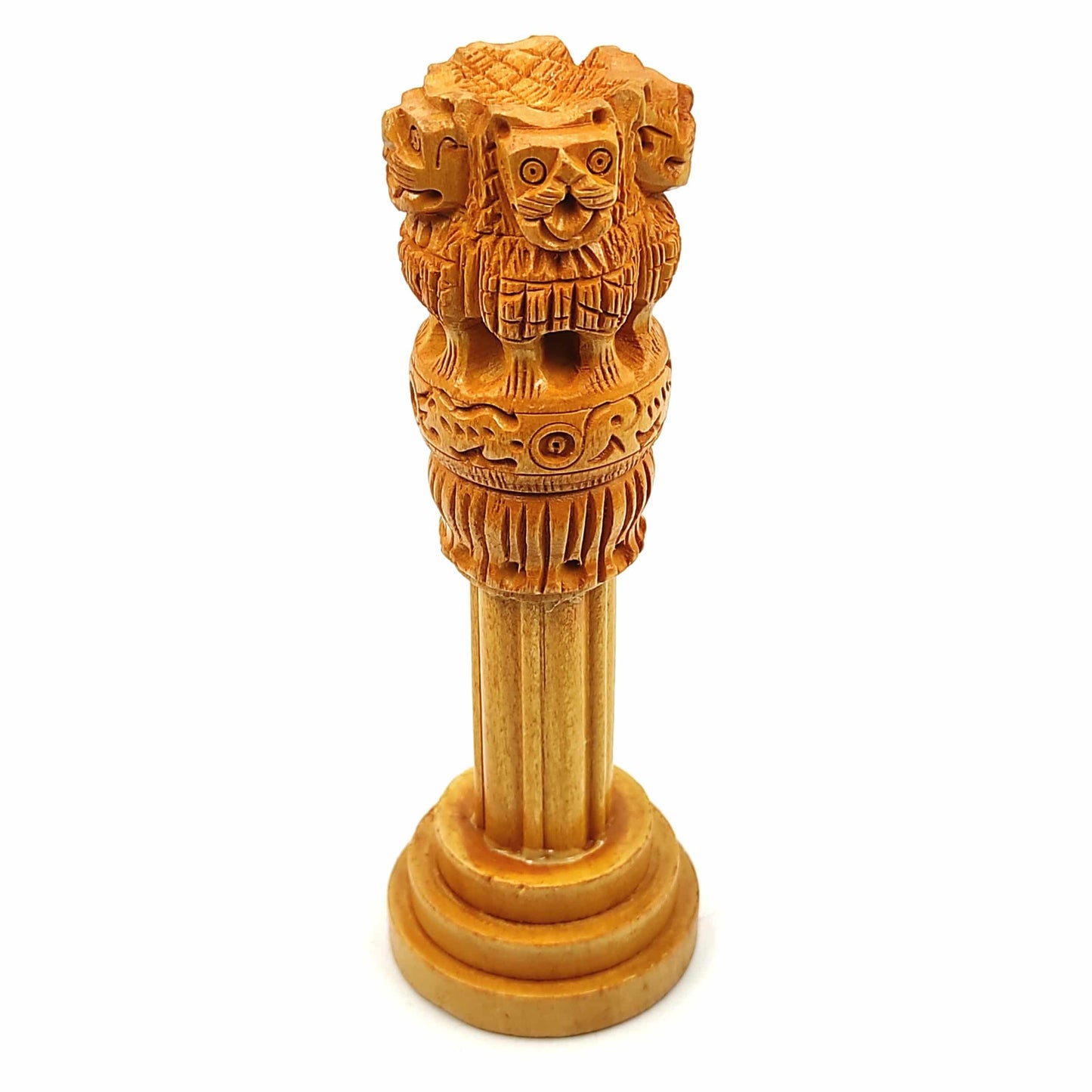
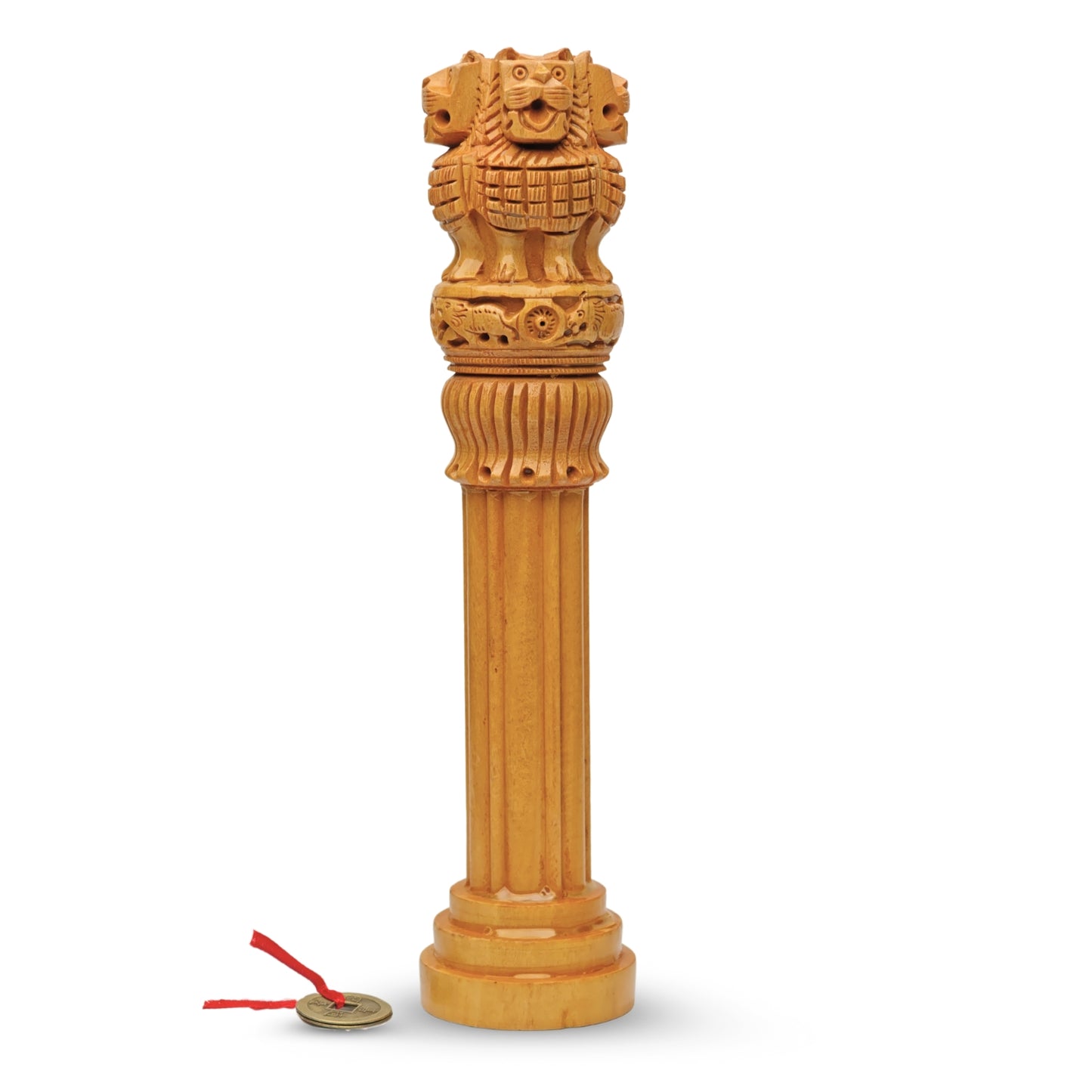
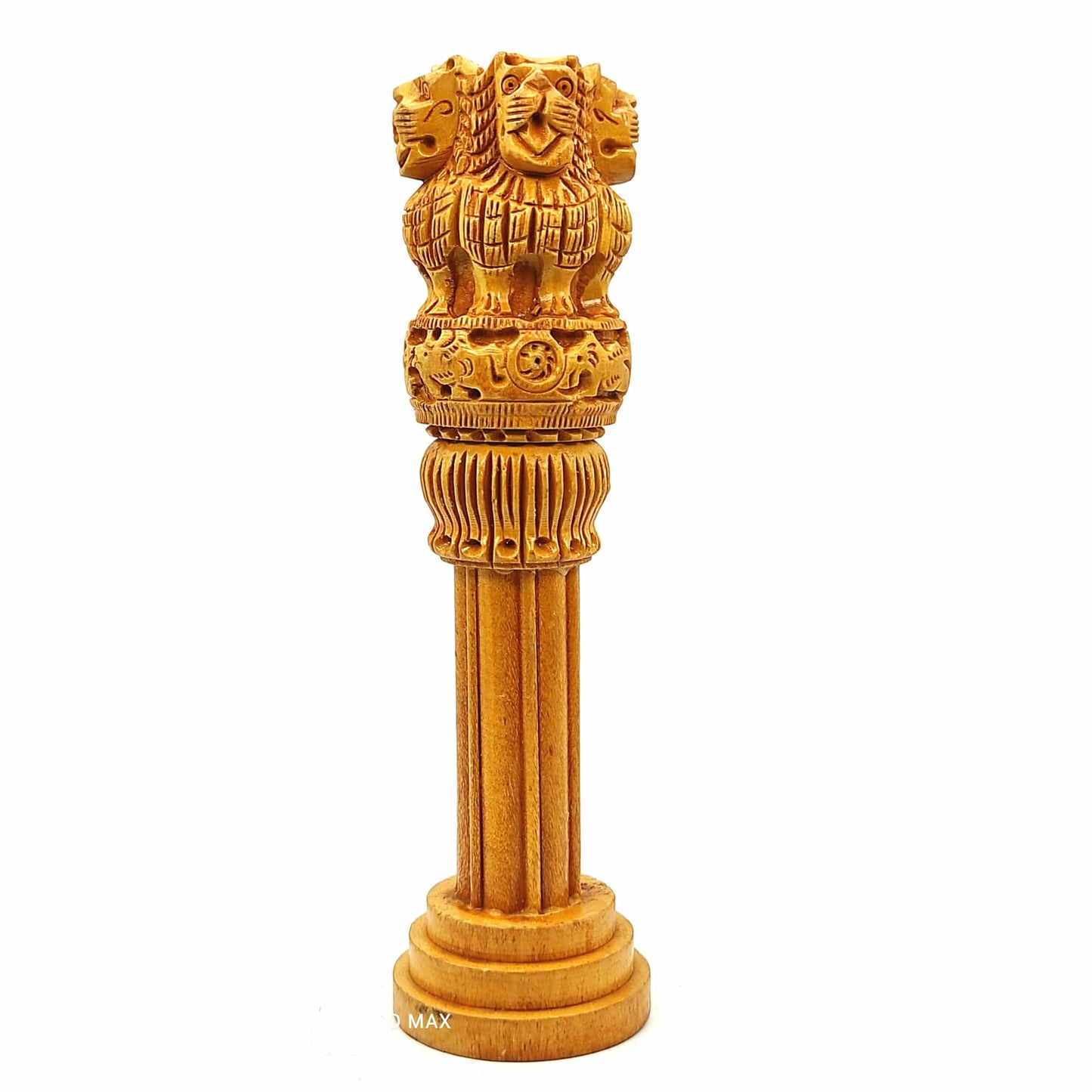
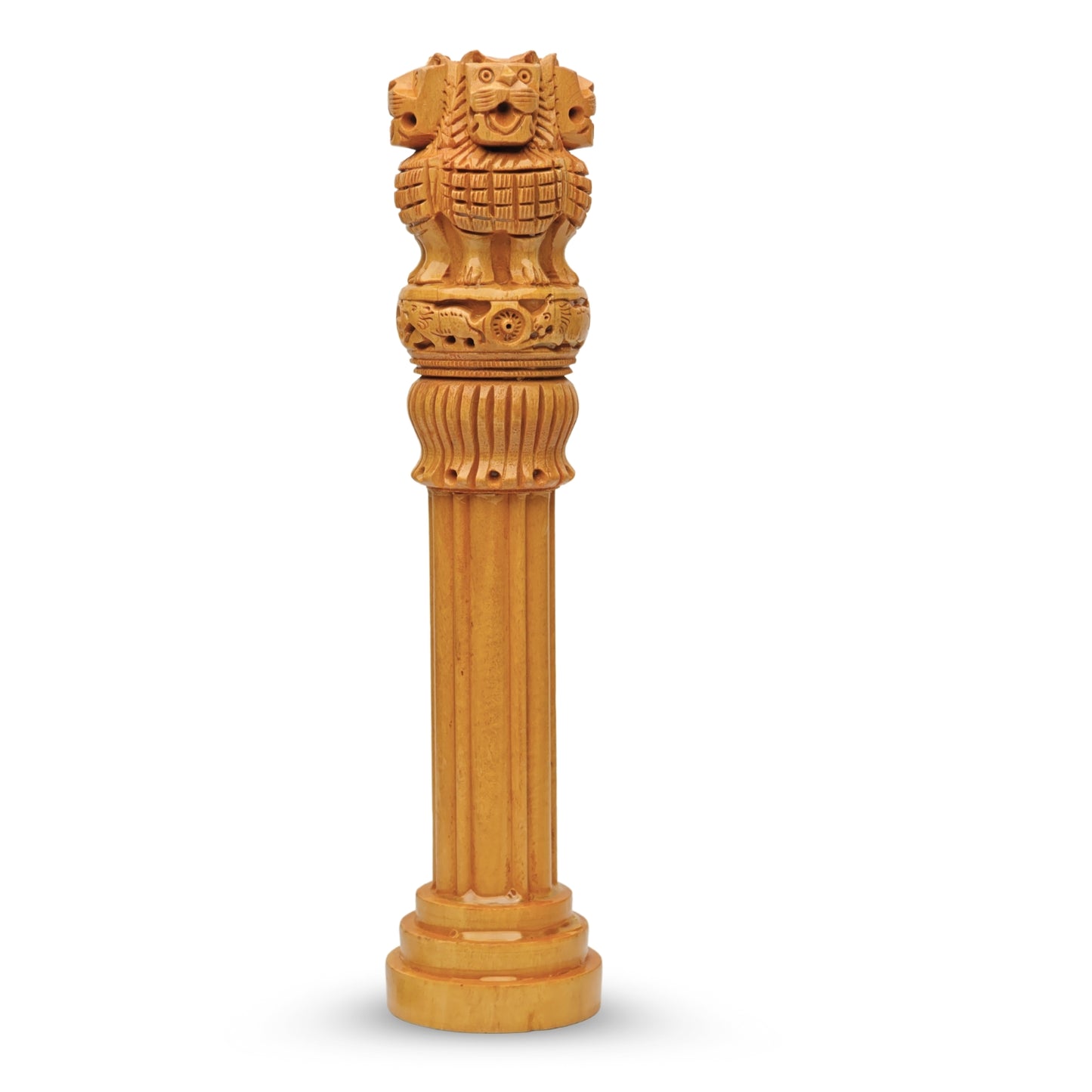
Wooden Ashoka Pillar Ashok Stambh for Office Desk - Career, Government Work and Contracts Vastu
Wooden Ashoka Pillar Ashok Stambh for Office Desk - Career, Government Work and Contracts Vastu
For professionals and business owners seeking growth, recognition, and faster progress. Helps clear career stagnation and attract opportunity and success energy.
The Problem
Career Stagnation & Slow Progress
The Solution
Growth, Recognition & Opportunity Energy
Buy More, Save More
Couldn't load pickup availability
Every Plus Value piece is energised before packing under the guidance of Vastu expert Nitien Parmar, 35 years of practice, trusted across 3,00,000+ orders shipped since 1991.
- 3-step energisation
- Placement guidance included
- Made in India

-
Ordered

- - -
Order Ready

- - -
Delivered


Collapsible content
Product Details
Product Details
The Ashoka pillar (Ashok stambh) is kept on a work desk, reception counter or shop for authority, government-related work, court matters and contract clearance. The four lions face the four directions, which is why it is placed centrally rather than in a corner, and kept at or above eye level when seated.
Who keeps an Ashoka stambh and why
| Situation | Where to place it | Facing |
|---|---|---|
| Government tenders, licences, approvals | Office desk, front left of the seat | Toward the entrance of the cabin |
| Court cases and legal matters | South or west wall of the office | Toward the seat |
| Contractor and builder businesses | Reception counter | Toward the main entrance |
| Political and public work | Study or office, north zone | Toward the seat |
| Shop or showroom authority | Cash counter, raised | Toward the door |
Placement rules
- Keep it above table level, never on the floor.
- Do not place it in a bathroom, storeroom, bedroom or below a staircase.
- Keep the surface clean and uncluttered. It should be the tallest object in its immediate area.
- North, north east and centre of a work area are the usual zones.
- One piece per space. A second does not add authority.
Specification
- Wooden Ashoka pillar with four-lion capital on the abacus, dharma chakra detailing
- Size as listed. A brass version is also available for a heavier presence
- Flat base, no fixing required
Frequently asked questions
Is Ashok stambh the same as Ashoka pillar?
Yes, the same object. Ashok stambh is the Hindi name and Ashoka pillar the English one.
Can I keep it at home rather than the office?
Yes, in a study or the north zone of the living area. It is not kept in a bedroom or puja room.
Does the material matter?
Brass and metal are the traditional choice for authority. Wood is used where a lighter, quieter presence is wanted, for example on a home study desk.
Which direction should the lions face?
Toward the entrance of the room or toward your own seat, depending on whether you want it working on incoming matters or on your own position.
Related: Ashoka Pillar Stambh collection | Crystals for career growth | Office sitting direction as per vastu | Corporate gifting
FAQ
-
These are traditional and devotional products, and Plus Value does not present them as medically or scientifically proven treatments. What we can state precisely is what you receive: the material, dimensions, and finish stated on the listing, with our 3-step energisation completed before dispatch. People who use them generally describe the value as focus, intention, devotion, and a sense of order in their space. If you are looking for a guaranteed result, this is not the right category for you. For product-specific questions before you order, message the team on WhatsApp at 9967433501.
-
Every item is prepared in-house before dispatch in three steps: mantra chanting, Reiki alignment, and exposure to pyramid and sound. The process is supervised by the team of Nitien Parmar, who has practised Vastu professionally since 1991. Energisation is a traditional preparation ritual. It does not alter the physical material, weight, or finish of the product, and it is not a certification of any kind.
-
Orders placed before 2 PM, Monday to Saturday, are dispatched the same day from Malad West, Mumbai. Delivery is typically 2 to 3 working days within Mumbai and 3 to 6 working days elsewhere in India. Tracking details are sent by email, SMS, and WhatsApp once the parcel is handed to the courier. Returns must be requested within 24 hours of delivery, in unused condition with original packaging, and return shipping is deducted from the refund. Defective or damaged items are replaced with the same product.
Where Satisfaction Speaks For Itself

![Panchmukhi Hanuman Yantra Copper for South, South-West Facing Main Door Entrance [Size 3 x 3 Inches]](http://plusvalueindia.com/cdn/shop/files/panchmukhi-hanuman-yantra-main-display_300x.jpg?v=1774911307)


You’re putting in the effort… but the flow still feels missing
When energy isn’t aligned, progress slows not your potential


Need an Expert Opinion?
Speak with our certified Vastu consultants for a personalized analysis of your floor plan.
What Our Community Says

Rebha
March 15, 2026
Absolutely love this product! The quality exceeded my expectations and the customer service was outstanding. Highly recommend to anyone looking for premium quality.

Karishma S
March 10, 2026
Best purchase I've made this year. The attention to detail is incredible and it arrived faster than expected. Will definitely be ordering again!

Priyanka R
March 8, 2026
I was skeptical at first, but this completely changed my mind. The craftsmanship is top-notch and it's exactly what I was looking for. Five stars!

Kiran M
March 5, 2026
Great product overall. Very satisfied with my purchase. The only minor issue was the packaging, but the product itself is fantastic.

Harsh S
March 1, 2026
This has become my go-to recommendation for friends and family. The value for money is unbeatable and the quality speaks for itself. Couldn't be happier!
Free and Fast Shipping
3-6 days delivery all over India by reputed couriers
Energised Before Dispatch
3-step energisation guided by Nitien Parmar, 35 years of practice
3,00,000+ Happy Customers
Orders shipped across India since 1991
Safe and Secured Checkout
Pay with UPI, cards, netbanking or Cash on Delivery